Our story
The History of Weh
Where Weh is
Weh is a fondom in the Fungom Sub-Division of Menchum Division, in the North West Region of Cameroon, about 8 kilometres north-east of Wum, the divisional capital. It is a cultural, economic and traditional hub of the Grassfields region.
The name Weh
The name Weh stands for the village, the language and the people. In our own language, the language is called Kɨ́wí. Weh is an independent traditional fondom of the Grassfields – and, by coincidence, “Weh!” is also one of the best-loved everyday exclamations all over Cameroon.
Origins and migration
The people of Weh are of Tikar descent. Oral tradition tells that our ancestors migrated from Bamun country, travelling through Bagam, Babadzu, Bangang and Bafut, before settling on the land we call home. The royal line is traced to Tshumbeiseng, who led that migration in the eighteenth century.
Colonial times
When German rule reached the Western Grasslands in the late nineteenth century, the territory was recorded under the name of its main chiefdom – Weh. After 1916 the area came under British administration as part of the British Cameroons, and a Native Court was opened at Weh in 1921. Southern Cameroons joined the Republic of Cameroon in 1961.
The Fon and the fondom
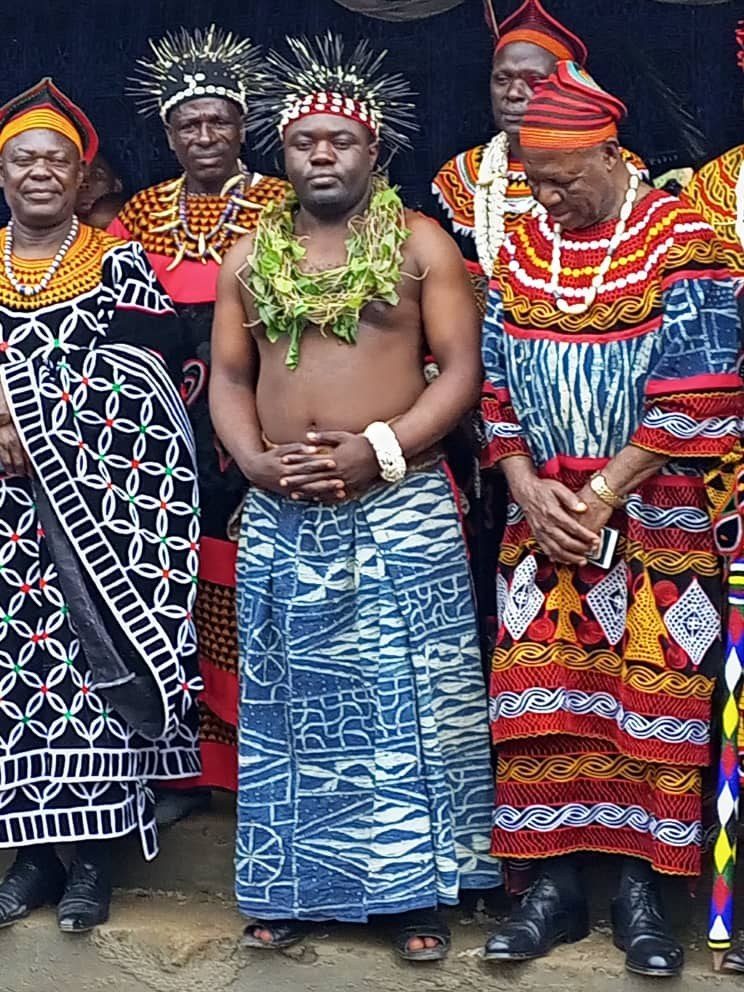
Weh is a traditional chiefdom led by the Fon, who rules alongside a council of elders, notables and queen mothers. The fondom is made up of quarters. After the passing of Fon Bama I in 2016, the stool remained vacant until His Royal Highness Fon Mbuh II (Nji Wuning Ache) was coronated on 9 March 2022.
Self-reliance
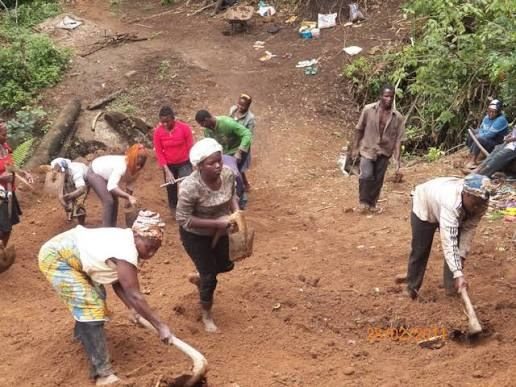
Weh has a long history of self-help. One proud milestone is the Weh Water Project, completed in 1978, a community-led effort that solved a serious water and health challenge. Weh people at home and abroad proudly call their village the “Weh Republic” – a republic inside a republic.
Life in Weh today
Life is built around extended families, quarters and active community development associations. Our mother tongue is Weh, and Cameroonian Pidgin English is widely spoken too. The fertile soil of the Menchum plateau supports farming – plantains, yams, cassava, maize and beans, with palm oil and coffee as cash crops – and the Weh Market is the centre of local trade.
